

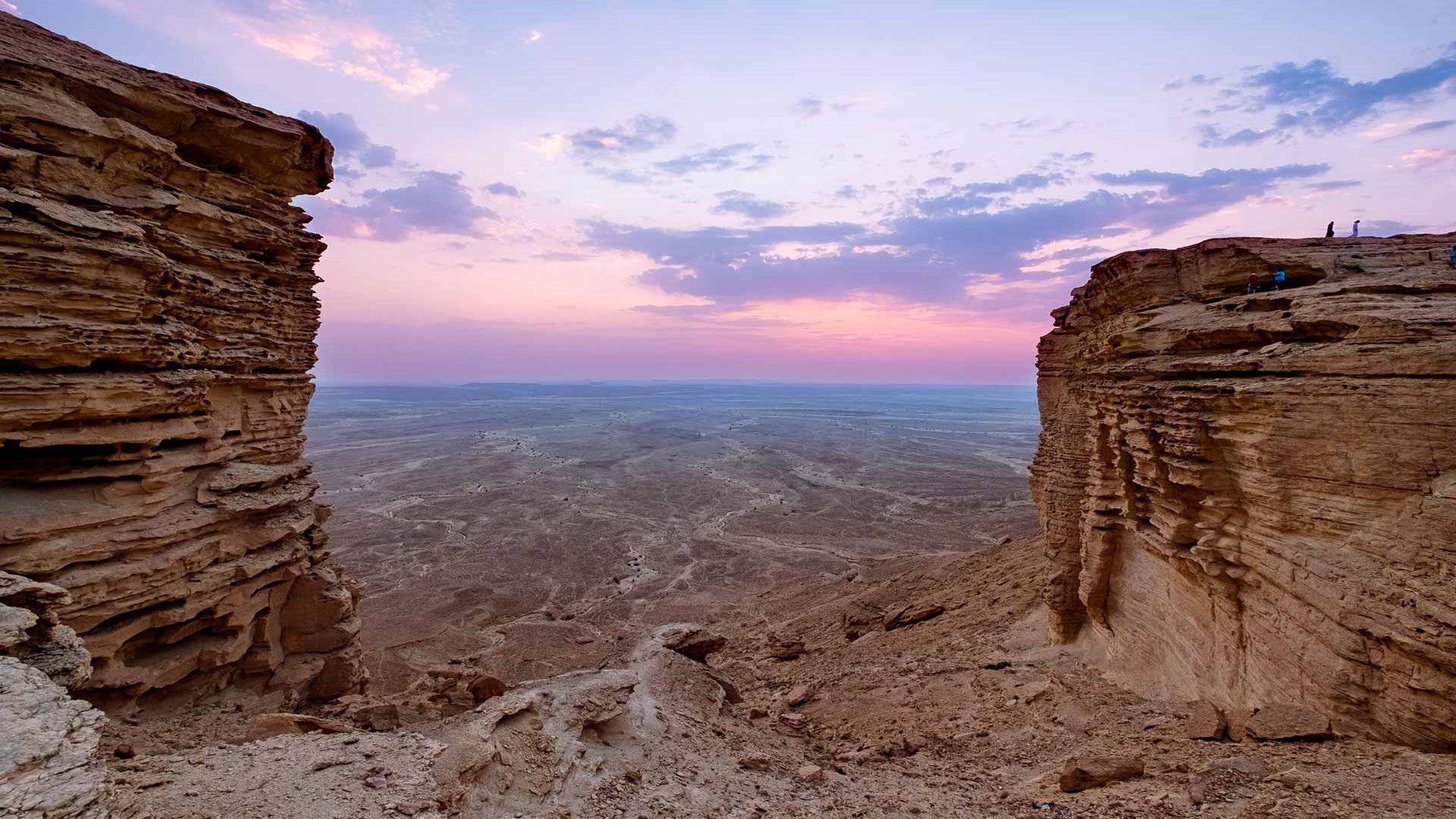
Just a short drive from Riyadh lies one of the most awe-inspiring natural landscapes in the Arabian Peninsula: the Edge of the World (Jebel Fihrayn). With its towering cliffs, sweeping panoramas, and sense of endless openness, this geological marvel has earned its place as one of Saudi Arabia’s most iconic and Instagrammable destinations.
As Saudi Arabia continues to open its doors to global travelers under the banner of Vision 2030, the Edge of the World is quickly becoming a symbol of the Kingdom’s natural beauty, untapped adventure tourism potential, and cultural depth. Whether you are a thrill-seeker, nature lover, photographer, or curious traveler, the Edge of the World promises a breathtaking experience—both literally and figuratively.
In this article, we explore the history, geography, visitor experience, cultural significance, and future plans surrounding this majestic cliffscape, and how it plays a vital role in shaping Saudi Arabia’s tourism ambitions.
What is the Edge of the World?
The Edge of the World (locally known as Jebel Fihrayn) is a dramatic geological formation that rises from the Tuwaiq Escarpment, a 700-kilometer-long cliff that stretches across central Saudi Arabia. Located about 90 kilometers northwest of Riyadh, it has become a favorite weekend destination for both locals and international tourists.
At its peak, the cliffs drop nearly 300 meters, offering uninterrupted views across the vast expanse of the ancient ocean bed that once covered the region. The reason it’s called the “Edge of the World” is simple—when standing on the cliff, the land appears to vanish into an infinite horizon.
Geological and Historical Significance
The Tuwaiq Escarpment, where the Edge of the World is located, was formed over millions of years. Once part of an ancient seabed during the Jurassic period, the sedimentary rock layers now tell a geological story of time and tectonic shifts.
Fossils of marine creatures are often found embedded in the limestone, providing evidence of the region’s aquatic past. The escarpment was also a trade route for ancient Arabian caravans, linking central Arabia with the eastern and western parts of the Arabian Peninsula.
This blend of natural and cultural history gives the Edge of the World its unique character—not only is it a scenic wonder, but it is also a historical monument to the land’s transformation over millennia.
Visitor Experience
1. How to Get There
The Edge of the World is roughly 1.5 to 2 hours from Riyadh by car. While the route has improved in recent years, the last stretch requires driving on unpaved desert tracks. It is highly recommended to visit in a 4×4 vehicle or with a licensed tour guide for safety.
Many tour operators in Riyadh offer guided trips that include transportation, desert meals, and guided hikes.
2. What to Do
- Hiking & Trekking: Explore multiple trails with varying degrees of difficulty. The hike to the cliff edge is moderate but incredibly rewarding.
- Photography: Golden hour and sunset provide surreal lighting for stunning landscape shots.
- Camping: Some travelers choose to set up camp nearby for stargazing and a night in the tranquil desert.
- Fossil Hunting: Spot ancient marine fossils embedded in the rocks as a reminder of the land’s past.
- Wildlife Spotting: Occasionally, you may see camels, desert foxes, and birds of prey.
3. Best Time to Visit
The ideal time to visit is October to March, when temperatures are milder. Summer visits can be harsh due to the extreme desert heat.
Edge of the World Cultural and Symbolic Importance
The Edge of the World is more than just a geological site—it represents the Saudi spirit of exploration and connection with nature. It has been featured in local poetry and storytelling as a place of reflection, courage, and openness.
For many Saudis, a trip to the Edge of the World is a rite of passage, symbolizing a physical and spiritual journey. With the rise of domestic tourism and national pride in Saudi Arabia’s natural heritage, destinations like Jebel Fihrayn are playing a growing role in shaping the Kingdom’s cultural tourism identity.
Safety and Environmental Considerations
As popularity increases, so does the need for visitor safety and environmental protection. Authorities and local tour companies advise the following:
- Bring plenty of water, sun protection, and suitable hiking shoes
- Avoid approaching the cliff edge too closely, especially in high winds
- Take your trash with you—there are limited facilities, and preserving the site is a shared responsibility
- Respect the natural and historical significance of the site by not damaging fossils or rock formations
Efforts are also underway to regulate access, enhance visitor facilities, and promote eco-conscious tourism in line with Saudi Arabia’s sustainable tourism goals.
The Role of the Edge of the World in Vision 2030
Saudi Arabia’s Vision 2030 is a national transformation plan aimed at economic diversification and global integration. Tourism is a key pillar, with the goal of welcoming 100 million visitors annually by 2030.
The Edge of the World is central to this strategy as part of the Riyadh tourism corridor, offering:
- A unique nature-based tourism experience
- Opportunities for eco-tourism, geological education, and adventure tourism
- Local job creation in guiding, transportation, hospitality, and conservation
- Domestic tourism stimulation, encouraging Saudis to explore their own landscapes
Inclusion of the site in Visit Saudi campaigns and international tourism expos is helping bring global visibility to this once-hidden gem.
Edge of the World Development Plans and Future Outlook
As part of the Saudi Tourism Authority’s expansion initiatives, the Edge of the World is expected to see:
- Upgraded access roads and parking facilities
- Designated viewing platforms and trail markers
- Eco-friendly visitor centers with guides and educational displays
- Integration with larger cultural itineraries, including Diriyah, NEOM, and AlUla
- Event hosting such as adventure races, desert festivals, and outdoor wellness retreats
Crucially, all development is planned with minimal ecological disruption, in keeping with the Kingdom’s commitment to sustainable tourism and environmental preservation.
Testimonials and Global Attention
International travel platforms like Lonely Planet, CNN Travel, and National Geographic have all featured the Edge of the World in their coverage of must-visit places in Saudi Arabia. Visitors describe it as:
“A place where time stands still, and nature speaks loudest.”
“One of the most surreal views you’ll ever see—not just in Saudi Arabia, but anywhere in the world.”
On social media, the #EdgeOfTheWorld hashtag has gained thousands of posts, reflecting the site’s growing popularity among influencers, adventurers, and nature photographers.
Conclusion
The Edge of the World is a powerful reminder that Saudi Arabia is a land of diverse landscapes, untold stories, and boundless potential. From its geological grandeur to its cultural symbolism, it captures the imagination of everyone who visits.
As the Kingdom moves forward with its Vision 2030 ambitions, natural landmarks like Jebel Fihrayn will play a critical role in redefining Saudi Arabia as a leading global destination for nature, adventure, and authentic experiences.
Whether you’re looking for panoramic cliffs, desert solitude, or just a place to feel small in the face of nature’s greatness, the Edge of the World awaits—with open skies, ancient silence, and a view that truly lives up to its name.